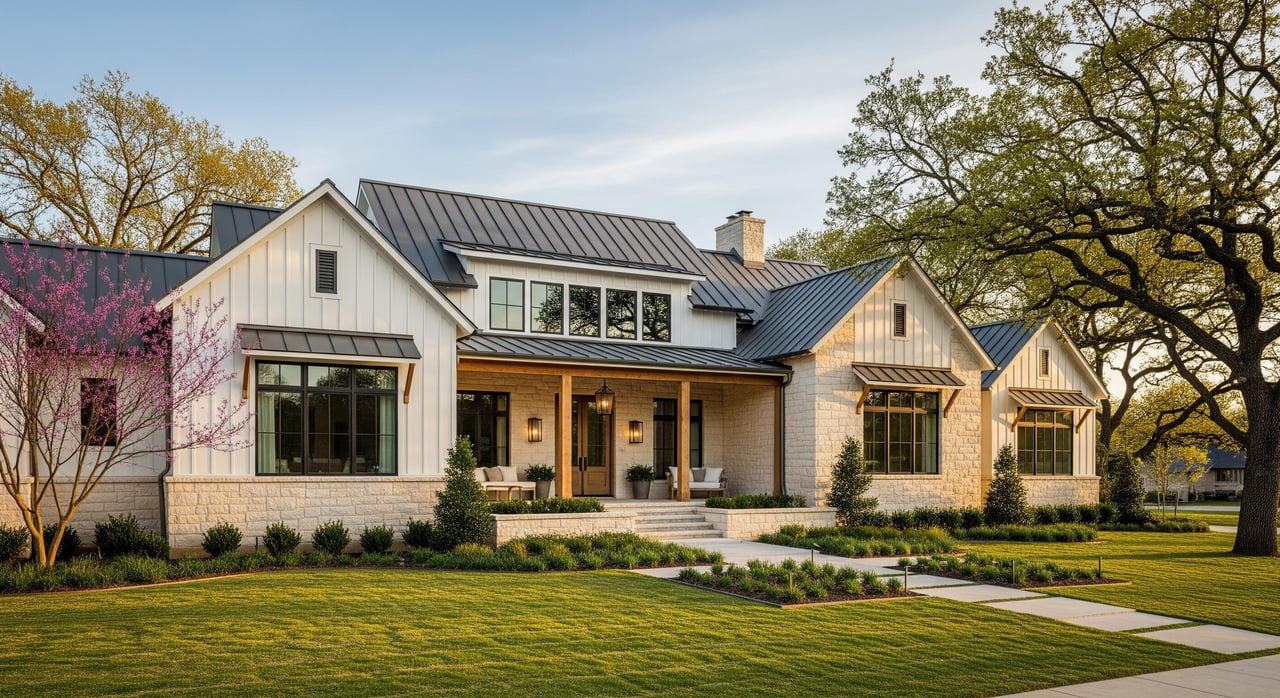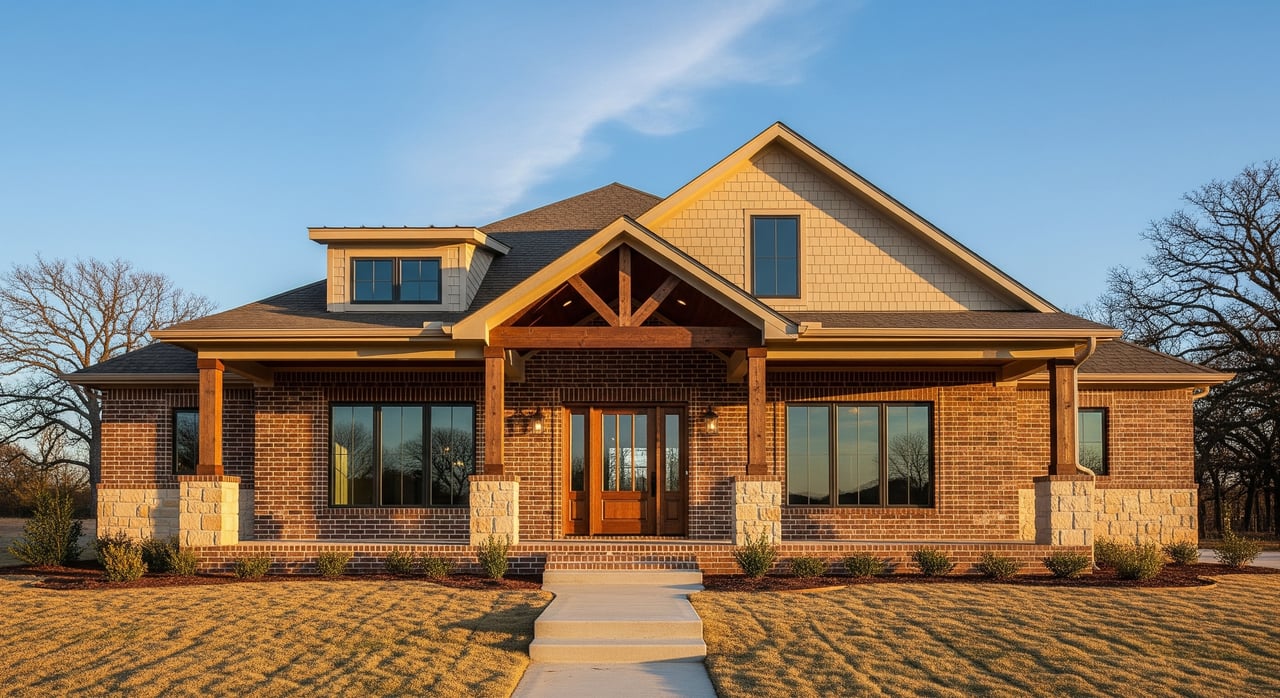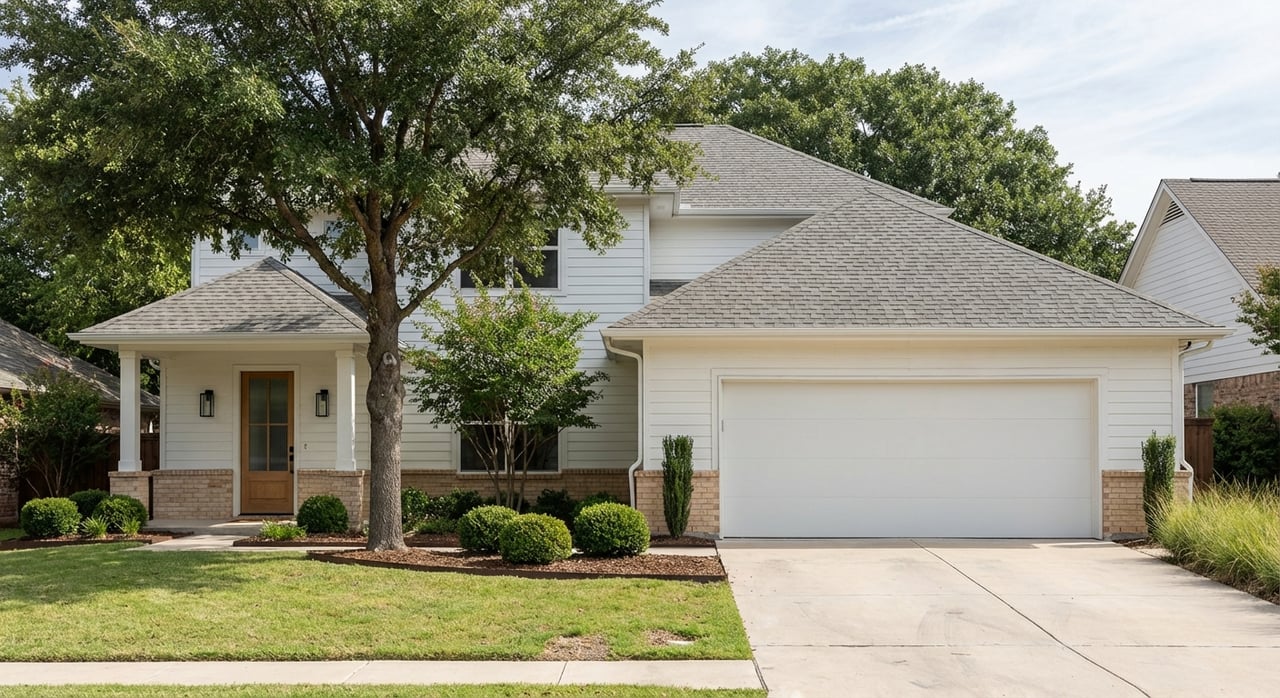
Wondering where to put down roots in Norman? With I-35 to the west, the University of Oklahoma at the center, and parks and lakes all around, each part of town offers a different daily rhythm. You might be weighing commute time against walkability, or older character against new construction. In this guide, you’ll learn how to match your priorities to the right neighborhoods, what tradeoffs to expect, and which local tools help you verify the details that matter. Let’s dive in.
Start with your must-haves
Before you scroll listings, get clear on what you can’t compromise on. A short list keeps you focused when choices feel overwhelming.
- Commute target: maximum minutes you want to drive each way
- Proximity goals: OU access, downtown/Campus Corner, shopping, or parks
- Home preferences: age/style, renovation plans, lot size, garage or shop space
- Noise tolerance: closeness to I-35 or major arterials vs. quieter streets
- Outdoor priorities: trails, playgrounds, golf, or lake access
To reality-check drive times, run a few tests in your maps app at the hours you actually travel. Then use the City’s interactive tools to confirm lot size, street access, and nearby amenities on the City of Norman interactive maps.
Commute and transportation in Norman
Commuting to Oklahoma City
If you work in OKC, I-35 is your main corridor. Neighborhoods with quick access to Main Street or Robinson Street interchanges often mean faster, more predictable drives, with the tradeoff of more roadway activity nearby. Check current and planned construction on the City of Norman interactive maps so you know what might influence your route.
Working or studying at OU
If OU access is your top priority, campus-adjacent areas make daily life simple. The University, Campus Corner, and parts of Downtown and Larsh–Miller offer short bike rides, brief drives, or even walks to class or events. For an overview of recommended campus approaches and parking, browse OU’s visitor resources and parking guidance.
Bus and on-demand options
Norman offers fare-free local bus service through EMBARK Norman and commuter links to OKC via Norman Express. There’s also Norman On-Demand microtransit for flexible trips, and OU’s CART for on-campus movement. You can review routes, schedules, and real-time info on the City transit and parking page.
Shopping and daily needs
West Norman concentrates many daily conveniences, including big-box and regional shopping near Sooner Mall and dining clusters around Brookhaven Village. If you like having errands and restaurants close by, west-side neighborhoods put you near a lot of activity. To get a sense of the area’s retail anchor, explore Sooner Mall. Closer to campus, Downtown and Campus Corner offer independent shops and dining in a more walkable setting.
Parks, trails, and Lake access
Norman’s park system covers the city with small neighborhood spots and larger community parks like Reaves, Andrews, Lions, and the Westwood complex. You can check amenities, programs, and locations on the City Parks & Recreation pages. If boating or long trail systems are on your wish list, keep an eye on the southeast side of town for quicker access to Lake Thunderbird State Park and the Clear Bay trails.
Home styles and lot sizes
Norman’s neighborhoods span a century of building styles. Your preferred era can help you focus your search.
Historic and campus-adjacent
Areas near OU and Downtown, including Miller, Chautauqua, Southridge, and the original townsite, feature early 20th-century bungalows and classic architectural styles. Expect smaller lots and a more walkable grid. If you plan exterior changes, know that designated local historic districts require review by the City’s Historic District Commission. Read the process on the Historic District Commission page.
Mid-century neighborhoods
Hall Park and parts of Northeast Norman include many ranch and mid-century homes with mature trees, curving streets, and often larger lots than the downtown core. These areas appeal if you want established neighborhoods with spacious yards and a calmer street pattern.
Newer suburbs in the northwest
Northwest Norman has seen steady recent construction and planned communities with parks and trail connections. If you prefer modern floor plans, energy efficiencies typical of newer builds, and community amenities, this side of town is worth a close look.
Acreage and rural-feel areas
If you want land for a shop, equipment, or just breathing room, explore the Franklin–Denver and Little Axe directions toward the rural fringe. You’ll find 1–2+ acre parcels and custom builds mixed with more traditional homes. Always confirm parcel size and utility access using the City of Norman interactive maps before you fall in love with a listing.
How major roads shape daily life
Living near I-35 or busy arterials often shortens regional commutes but increases exposure to traffic and truck noise. If you’re considering a home along these corridors, ask your agent to help assess sound levels at different times of day and check for any planned projects that could affect traffic. For background on typical noise studies and mitigation methods, you can review the FHWA guidance on highway noise.
A quick neighborhood cheat sheet
Use this short list to match common priorities with parts of Norman. Then verify details with maps and in-person visits.
- Campus & Downtown (University, Campus Corner, Larsh–Miller)
- Best for: OU proximity, walkability to restaurants and arts
- Homes: bungalows, cottages, small-lot homes, some condos and apartments
- Tradeoffs: smaller lots and limited parking; some historic rules nearby
- West & West of I-35 (Sooner Mall, west Norman corridors)
- Best for: shopping, dining, newer suburban subdivisions, I-35 access
- Homes: 1990s to present, single-family and some townhomes/patio homes
- Tradeoffs: closer to major roads and regional retail activity
- Northwest & Newer Suburbs
- Best for: modern floor plans, trail access, community amenities
- Homes: recent builds with medium lots and neighborhood parks
- Tradeoffs: farther from OU and downtown if you prioritize walkability
- Hall Park & Northeast Norman
- Best for: mid-century style, mature trees, curvy streets
- Homes: ranch and mid-century designs, larger lots than the core
- Tradeoffs: homes may need updates depending on age and condition
- Southeast, Franklin–Denver, Little Axe
- Best for: acreage, outbuildings, a more rural feel, lake access
- Homes: custom builds, farmhouses, and varied property types on large parcels
- Tradeoffs: longer drives to west-side retail; always confirm utilities and road access
Step-by-step: pick your best-fit area
Follow this simple process to narrow your search with confidence.
Rank your top three priorities. Is it commute time, OU access, acreage, or retail proximity? Keep this list visible when you tour.
Map your day. Use your phone’s map to test weekday and weekend drive times to work, OU, and your most-used shopping spots. Try the drive at your actual peak hours.
Check the map layers. Use the City of Norman interactive maps to confirm parcel size, floodplain, and distances to parks and major roads.
Review transit options. If you want to rely less on a car, scan routes and real-time info on the City transit and parking page to see if EMBARK Norman, Norman Express, or Norman On-Demand fits your routine.
Verify historic rules early. If a home is in Miller, Chautauqua, or Southridge, read the City’s Certificate of Appropriateness steps on the Historic District Commission page before planning exterior changes.
Factor in parks and lakes. If trails, playgrounds, or water sports are important, identify nearby facilities on the City Parks & Recreation pages and estimate your drive to Lake Thunderbird State Park.
Consider roadway impacts. If a home backs to or faces a busy corridor, visit at different times of day, and review FHWA noise background to understand typical mitigation approaches.
Tour with a plan. Bring your priority list to each showing. Note commute feel, street activity, and how close you are to daily needs.
Ready to explore neighborhoods?
You deserve clear, local guidance as you compare commute routes, campus access, home styles, and those small details that shape everyday life. Our team has helped buyers across Norman and the larger OKC metro weigh tradeoffs, verify parcel facts, and negotiate with confidence. When you want a streamlined plan and showings that match your priorities, connect with The Hawkins Homes Team. Start with a free local market consultation and get a step-by-step path to your best-fit home.
FAQs
How long is the commute from Norman to Oklahoma City during rush hour?
- Use your maps app to test your exact route at your typical departure time. Many commuters rely on I-35, and you can also explore Norman Express options on the City transit and parking page for a bus alternative.
Which Norman neighborhoods are walkable to the University of Oklahoma?
- Areas near campus such as the University neighborhood, Campus Corner, and parts of Downtown offer short walks or bike rides. Get a feel for the area by reviewing Campus Corner and OU’s visitor resources.
Where can you find older Craftsman homes, and what rules might apply?
- Historic districts like Miller, Chautauqua, and Southridge include Craftsman, Tudor, and Colonial Revival styles. Exterior changes may require review; see the City’s Historic District Commission guidance.
Where can you find acreage or space for outbuildings around Norman?
- Look toward the Franklin–Denver and Little Axe directions for 1–2+ acre parcels and a rural feel. Always confirm parcel size and utility access using the City of Norman interactive maps.
What are the best resources to check parks, pools, and lake recreation?
- For city parks and programs, start with Norman Parks & Recreation. For boating, marinas, and the Clear Bay trail system, explore Lake Thunderbird State Park.